
Demographic Crisis and the Collapse of the Labour Market
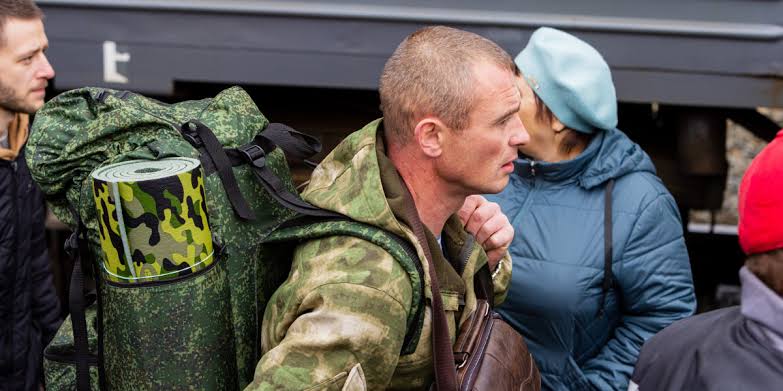
Ukraine is experiencing one of the deepest demographic and labour crises in its recent history. The combination of prolonged military conflict, mass emigration, and waves of mobilisation has created a critical shortage of workers across the country. Ukrainian businesses are increasingly unable to fill vacancies, forcing employers to look abroad for labour.
According to Vasyl Voskoboynyk, head of Ukraine’s Migration Policy Department, around 30% of jobs across the country remain unfilled. Since February 2022, millions of Ukrainians have left the country, creating a major demographic gap and reducing the availability of skilled workers.
The situation worsened after the law introduced in 2025 allowing men aged 18 to 22 to travel abroad. During the first month after the law came into force, around 53,000 young people crossed the border, and more than 13,000 chose to remain abroad, further reducing the country’s future workforce and depriving the economy of young specialists.
Ukrainian enterprises are now facing a shortage of employees in sectors including construction, transport, logistics, manufacturing, maintenance, and municipal services. Many businesses argue that they simply cannot find enough local workers to keep operations running.
Public frustration has also grown. Comments under job advertisements seeking Asian workers often reflect wartime anger and economic anxiety, with some users expressing resentment that foreign workers are being recruited while Ukrainian citizens are serving at the front.
India and South Asia Become New Sources of Labour
To address the shortage, Ukrainian businesses and authorities have increasingly turned toward foreign labour, especially from India, Bangladesh, and Pakistan.
According to data from the State Migration Service, between January and April 2026, Ukraine issued 2,875 work permits to foreigners. Among them, citizens of India received the highest number of permits — 501, followed by workers from Azerbaijan and Pakistan.
The arriving workers include general labourers, drivers, welders, and logistics employees. The recruitment process is not simple: obtaining permission can take approximately six months and requires significant financial investment from employers. However, many companies are willing to go through the process because of the severity of the labour shortage.
Examples of this trend are already visible in Ukrainian cities:
- In Ivano-Frankivsk, a management company hired Indian migrants to clean the territory of a residential complex because of a “critical shortage of workers.”
- In Cherkasy, foreign workers have begun participating in road repair projects.
For businesses, foreign labour has become a practical solution to maintain essential services during wartime conditions.
Growing Social Tensions in Western Ukraine
Despite economic demand, the arrival of foreign workers has generated resistance in some parts of Ukrainian society, particularly in western regions where large-scale immigration has historically been limited.
Several incidents involving migrants and local residents have increased public debate.
In May 2026, a mass confrontation reportedly occurred in Ivano-Frankivsk between members of the local Roma community and migrants from India. Videos circulated on social media showed dozens of people involved in a physical fight. The exact cause of the incident remained unclear, and Ukrainian law enforcement had not provided detailed public comments.
A similar incident was reported in June 2026 in the Lviv region, in the city of Drohobych, where a mass altercation involving Indian migrants and local residents took place. According to regional social media reports, the conflict began after Ukrainians confronted a group of Indians over alleged provocative behaviour in a public place.
Some local residents claimed that such incidents were becoming more frequent, while online discussions included inflammatory statements about migrants. However, Ukrainian police presented a different version, stating that the conflict was connected to a public order violation involving a 22-year-old Ukrainian citizen.
Opposition From Local Communities and Authorities
Against this background, opposition toward Asian labour migration has increased in certain areas.
In Ivano-Frankivsk, flyers appeared discouraging residents from renting apartments to migrants or employing them. The message stated that if migrants were unable to find housing or employment, they would eventually leave.
The mayor of Ivano-Frankivsk, Ruslan Martsinkiv, publicly stated that he was against relying on foreign labour migration and argued that Ukraine should first focus on its own population through:
- retraining workers,
- changing professional profiles,
- and increasing participation of women in the labour market.
At the same time, he warned against anti-migrant demonstrations, stating that such actions could be exploited as propaganda.
It is important to note that the scale of legal labour migration to Ukraine remains limited compared with the pre-war period. In 2021, Ukraine issued nearly 22,000 work permits, while in 2025 the number was around 4,900. Despite these relatively small numbers, migration has become a sensitive issue because of the wider context of war, mobilisation, and demographic decline.
Conclusion
The labour migration situation in Eastern Europe reflects different realities. Ukraine’s demand for foreign workers is a direct consequence of war-related demographic decline, emigration, and mobilisation. However, the arrival of migrants has also triggered social tensions in some communities where immigration is viewed through the lens of wartime hardship and economic insecurity.
For Indian citizens seeking overseas employment, the key factors remain income, legal security, workplace conditions, and social acceptance. As demographic pressures continue across the region, the ability of governments to manage labour migration will become increasingly important for economic stability and social cohesion.

Leave a Reply